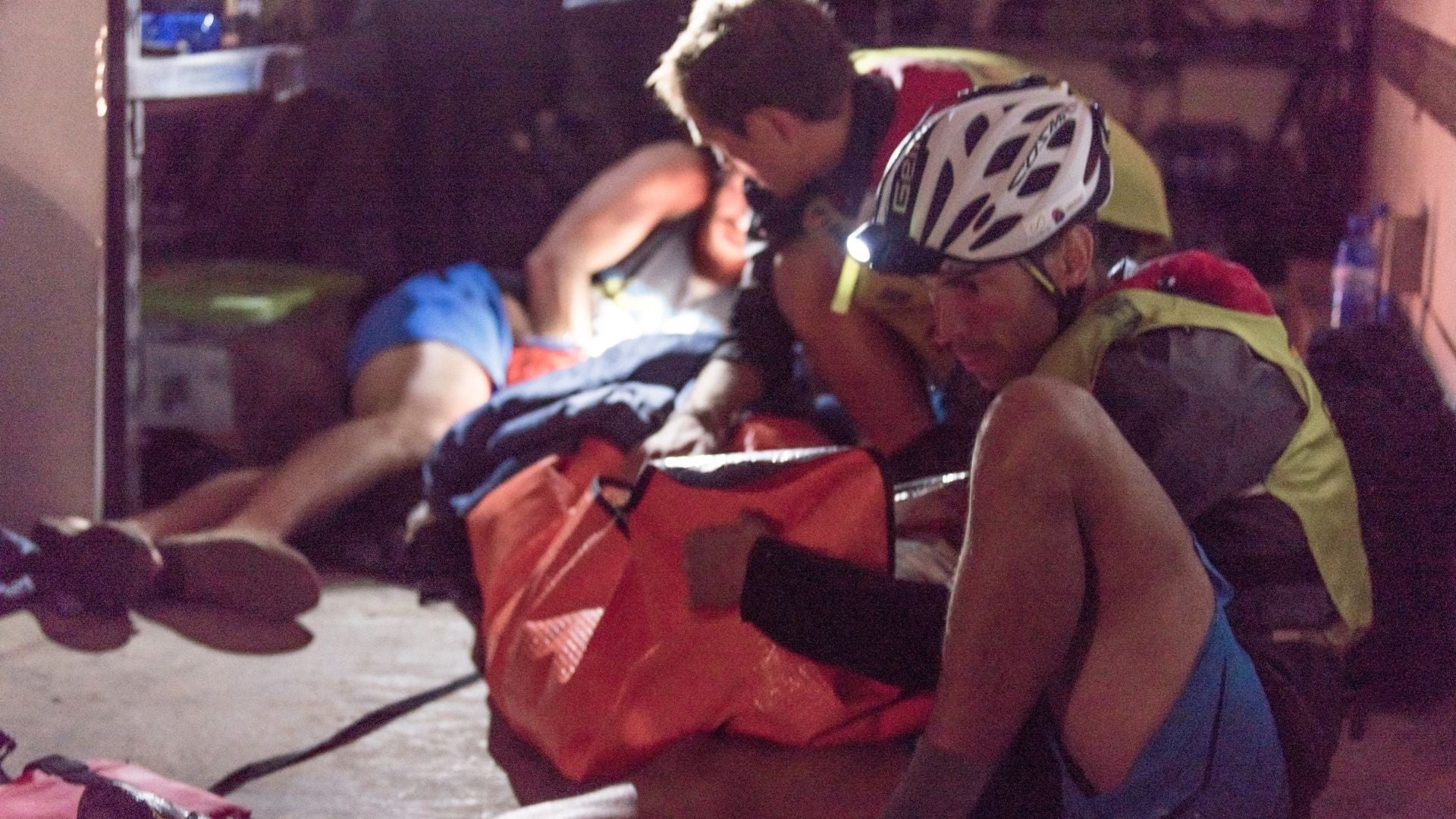

The survival instinct was alive and well in 2011. With Mother Earth clearly in an apocalyptic mood, people found ways, often against seemingly impossible odds, to survive earthquakes, volcano eruptions, hurricanes, tornados and tsunamis. Tales of wilderness survival – stories involving the injured or lost hiker who braved the elements long enough to talk about it another day — were also well represented. To pick SOL’s Top Seven Survival Stories of 2011, we turned to Dr. Chris Van Tilburg, editor of Wilderness Medicine magazine and a long-time member of Oregon’s Hood River Crag Rats Search and Rescue Team.
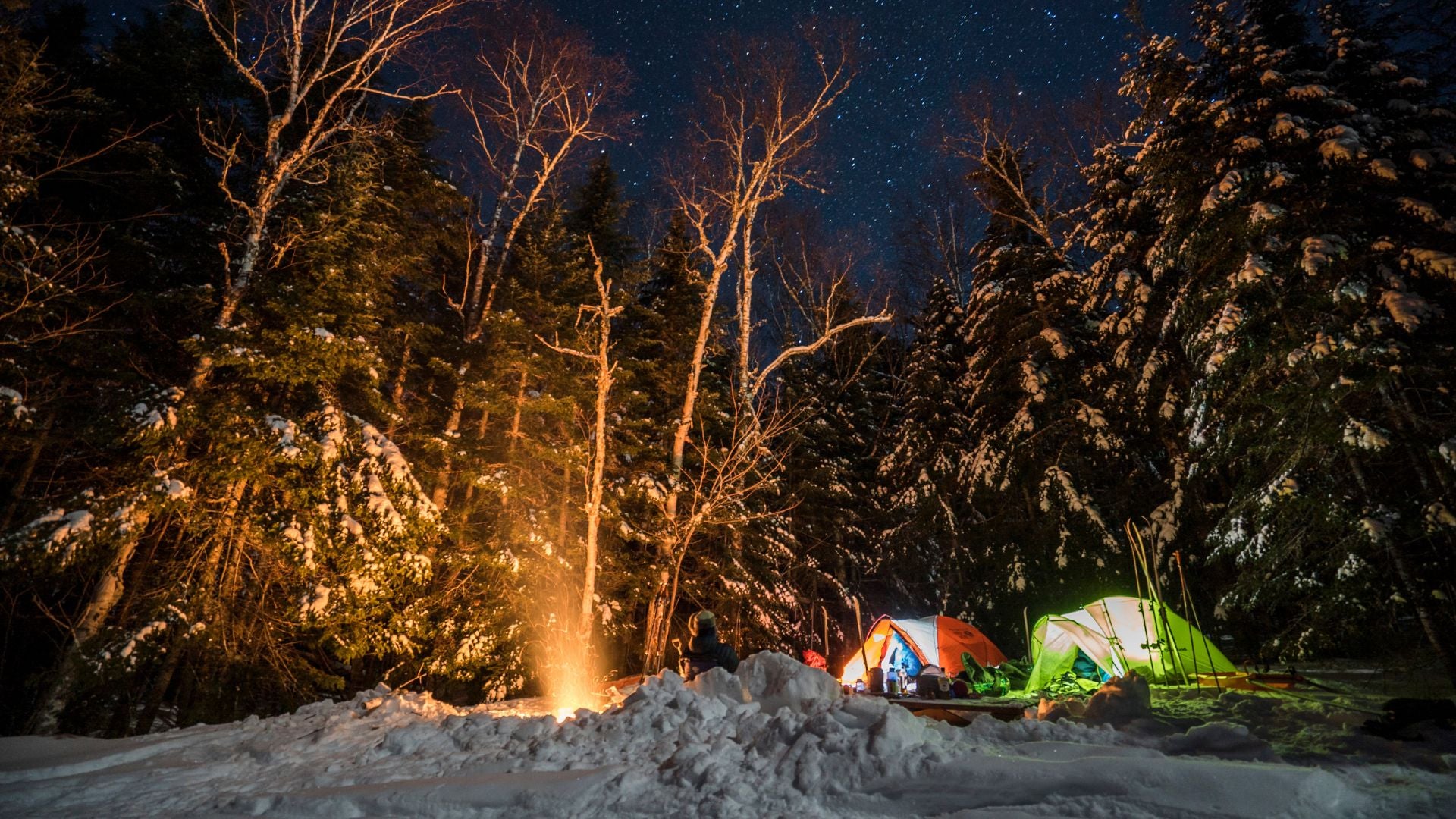
To combine the three essential elements–oxygen, heat, and fuel–successfully into a fire requires more thought than usual when white stuff cloaks the ground.
Assuming you’re carrying a source of heat, finding fuel will be the great challenge. Dry tinder, kindling, and larger pieces of fuel are not only harder to find, but wood with its moisture frozen inside may appear deceptively ignitable yet fail to burn.
With 2011 not quite two months old, we thought it high time to look at some big trends that are poised to impact wilderness medicine and safety this year. Here are five that may affect you:
WFR standardizations. For guides, rangers, and search and rescue teams, the de facto course for medical training beyond first aid has long been the Wilderness First Responder course. The week-long “woofer” course is offered by a number of schools, but they differ in content, instruction, and length. Right now, there is no formal standardization on content, schools, or teachers, but work is underway to homogenize WFR. The task, however, is fraught with the difficulty of trying to reconcile widely varying state laws, student needs, and teaching styles. WHY IT MATTERS: You may soon be able to get a WFR card recognized around the nation.
The final week of 2010 was bittersweet for snow sports enthusiasts. Massive storms pummeled the Western mountains in North America with big fat flakes. Skiers and snowboarders flocked to the pow on holiday break. Unfortunately, in a five-day span, five died in deep snow and tree wells. A sixth death occurred just after the New Year. The unlucky were found inbounds, out-of-bounds, and in the backcountry; they were skiers and snowboarders of various skill levels. The two commonalities that link all of their deaths: deep snow and stormy weather.
A simple fact towers above all others: if you aren’t prepared to survive an unexpected night outside in winter, you probably won’t. In ideally bad conditions, cold will suck out enough body heat in a couple of hours to disable you—and chill you off beyond recovery in three.
How did you get in this situation? You were backcountry skiing, or hunting, maybe hiking on a pre-snow, cold afternoon. Your story could be like CNET reporter James Kim’s whose drive in Oregon mountains with his family on a winter day, almost exactly four years ago, turned fatal. You didn’t anticipate the snowfall, or the blinding wind—and wasn’t the sun supposed to be up at least another hour?
When I was a boy, I watched Mount St. Helens explode from the front yard of the family home. It was both thrilling and terrifying. The Toutle River overflowed Interstate 5, and school was canceled due to ash fallout. Hurricane Katrina, the Spring floods that devastated Northeastern states, and now Hurricane Earl — which at the time of this post was threatening to hammer much of the Eastern Seaboard — prove that natural disasters can hit close to home. So, everyone should prepare a 72-hour emergency kit for Mother Nature’s worst.
Here’s an interesting question that came in over our blog today:
Q: I’d like to make a vest out of the SOL Thermal Bivvy- should the seams be sewn or will an iron work to weld seams?
A: My advice is to sew the seams, rather than trying to weld them. If using an iron to weld seams, I would be worried about excessive heat weakening the fabric or causing the two layers of the fabric to separate.
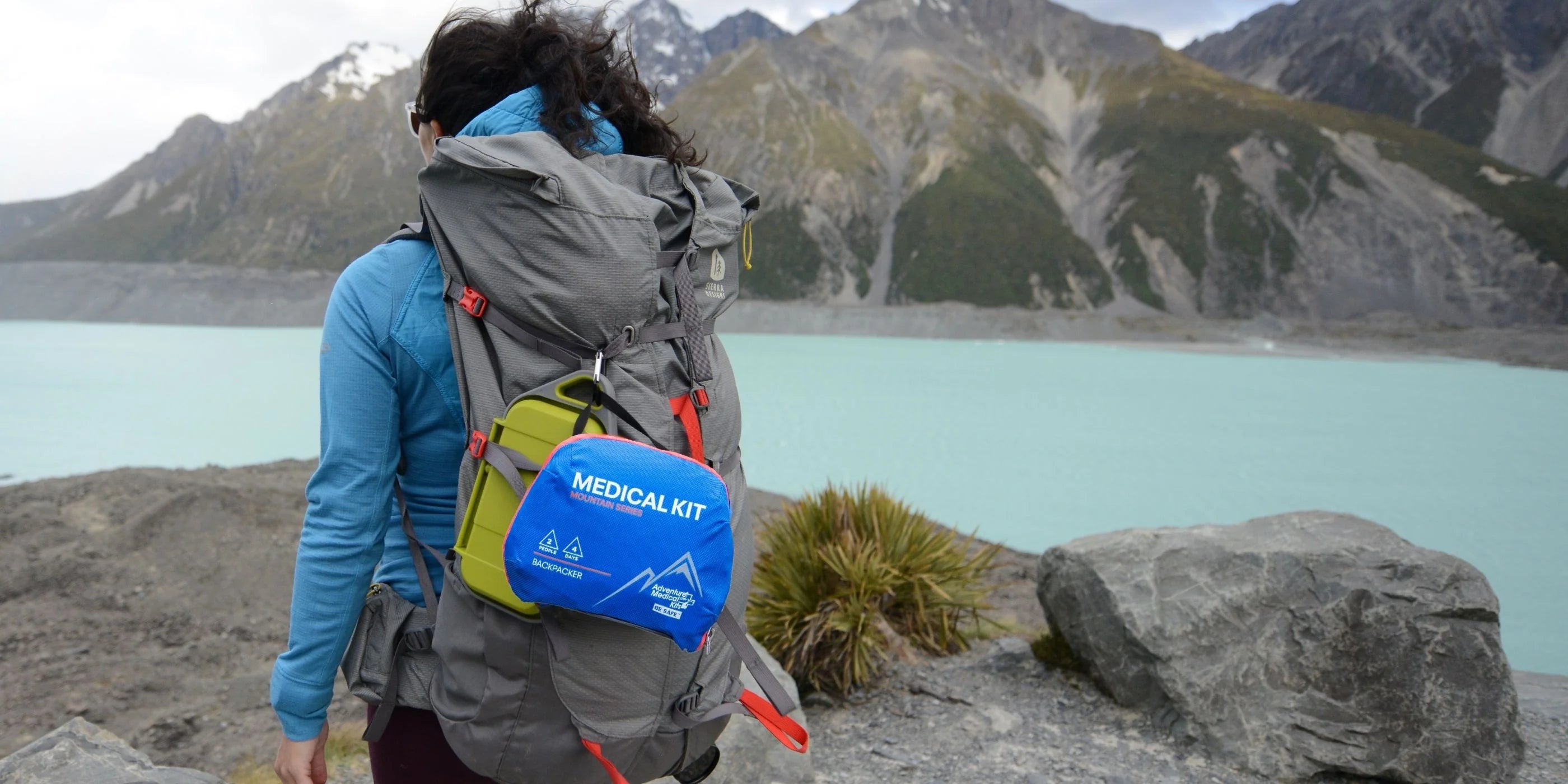
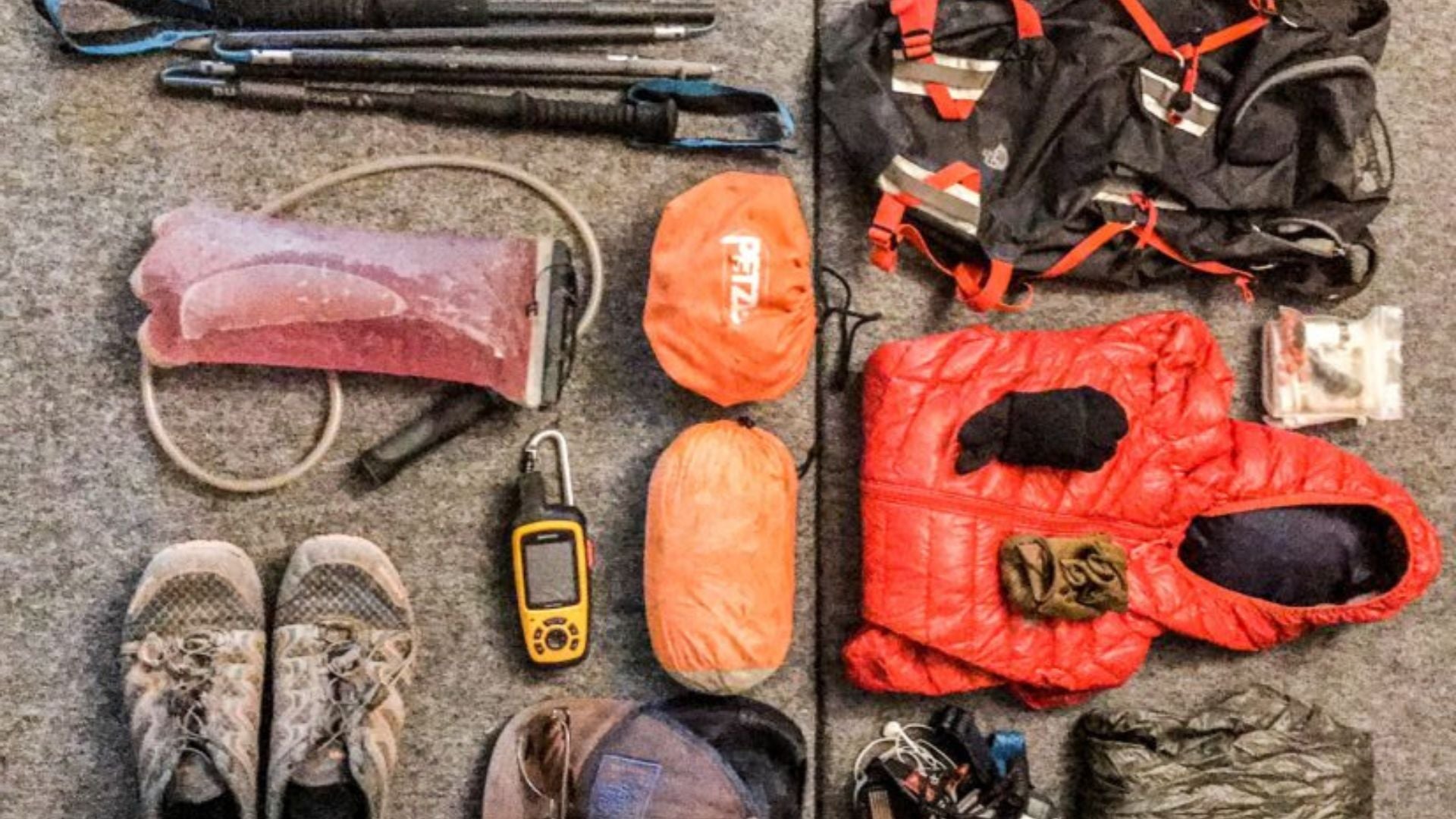
The Ten Essentials are the key items to have with you on any trip into the back-country -these items could make the difference between life and death in a survival situation.
Check out the article below, courtesy of REI, to learn more about the ten essentials and how to be prepared when you enter the back-country. Our S.O.L. 3 kit is a great start- it includes Medical, Survival, and Gear Repair items in one lightweight, water-resistant kit.
Learn about the tools you need to pack to survive in the wilderness from world renowned high altitude mountaineer Ed Viesturs in our video section.
The Ten Essentials
Knowing the Ten Essentials is good. Carrying the Ten Essentials is better.
When a company is the first to bring a new product concept to market, the brand name can become so well known that it becomes synonymous with the product itself. Xerox® did it when it invented the copier, Kleenex® did it with tissues, and Band-Aid® is known the most for bandages. In the outdoor industry, some might consider the “Space® Blanket” brand to have managed this same feat.
While the Space® brand may be the name people use to refer to this line of products, there are remarkable differences between the Space® brand blankets and AMK’s line of Heatsheets® Emergency Blankets.
Question: Do you think i could fit a sleeping bag inside your emergency bivy?
AMK Answer:
Ian,
Thanks for your question.
It depends on how big your bag is. Most bags will, however extra long or below zero bags might be a tight fit.
The Heatsheets Emergency Bivvy is non-breathable so if you put a sleeping bag inside of it you would create a bit of condensation and perhaps get the outside of the bag and insulation wet. It would get you out of the weather however, so a little condensation would be a small price to pay. If your bag has a water resistant outer shell this would help kepp your insulation from getting wet.