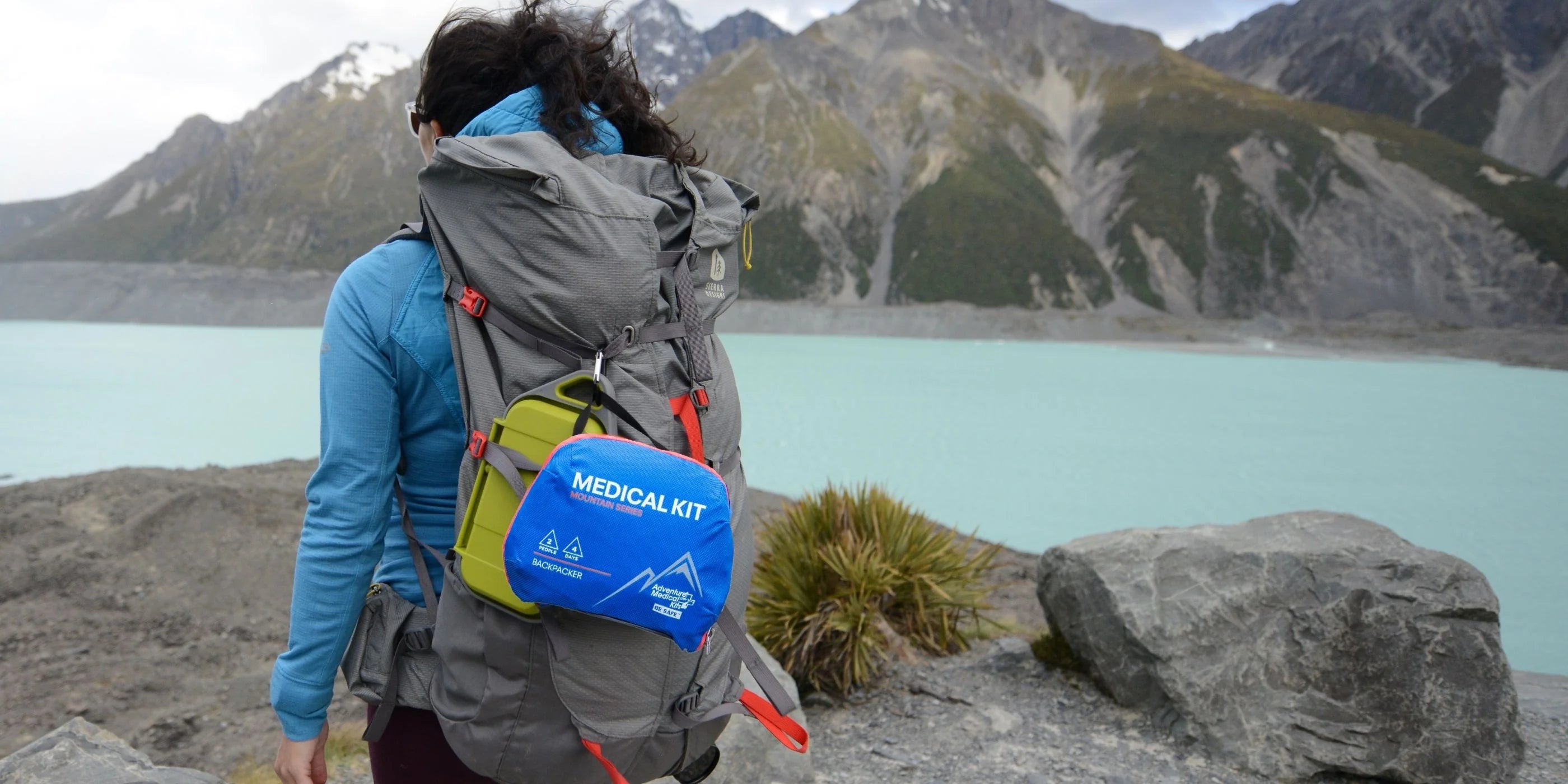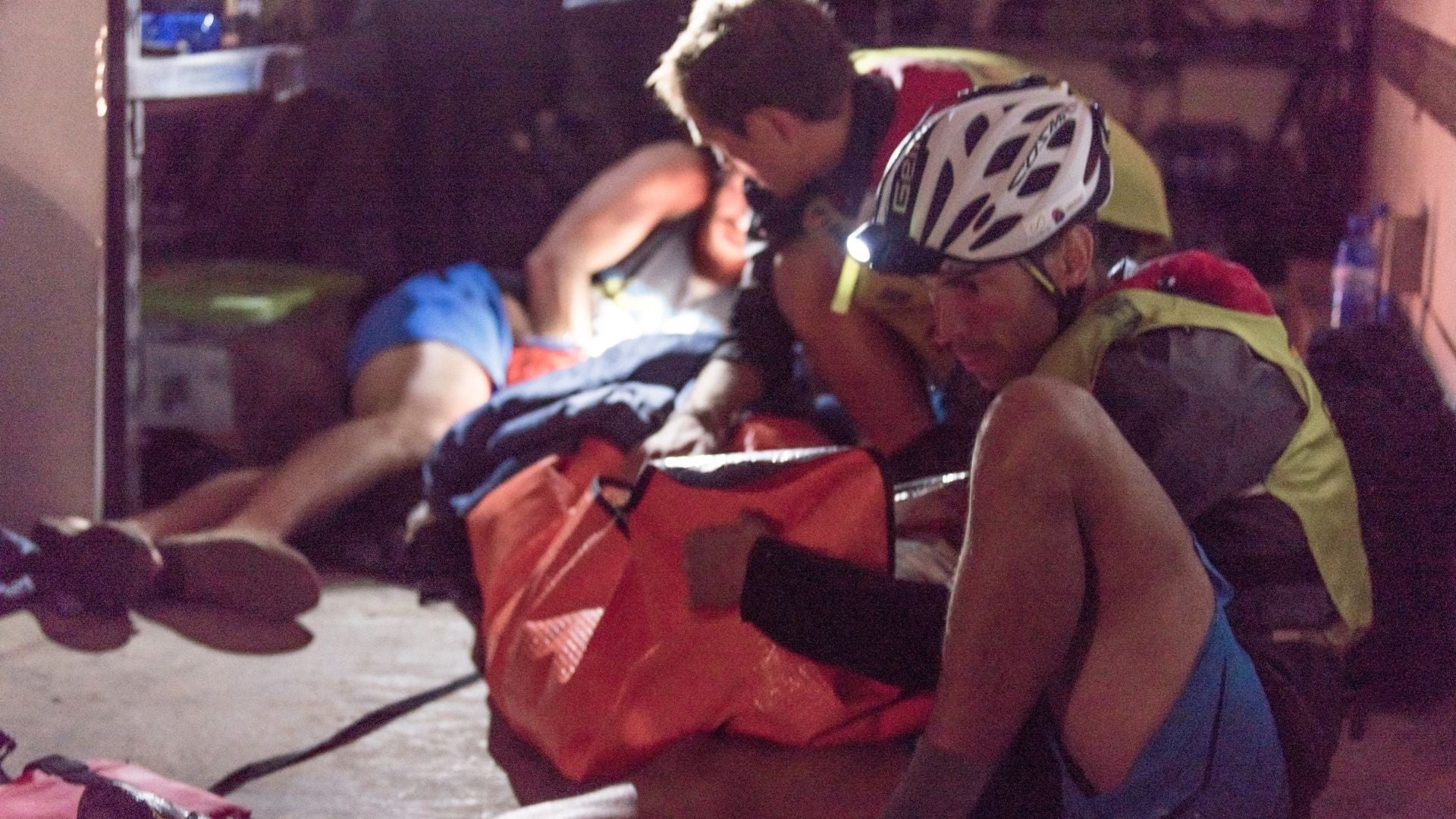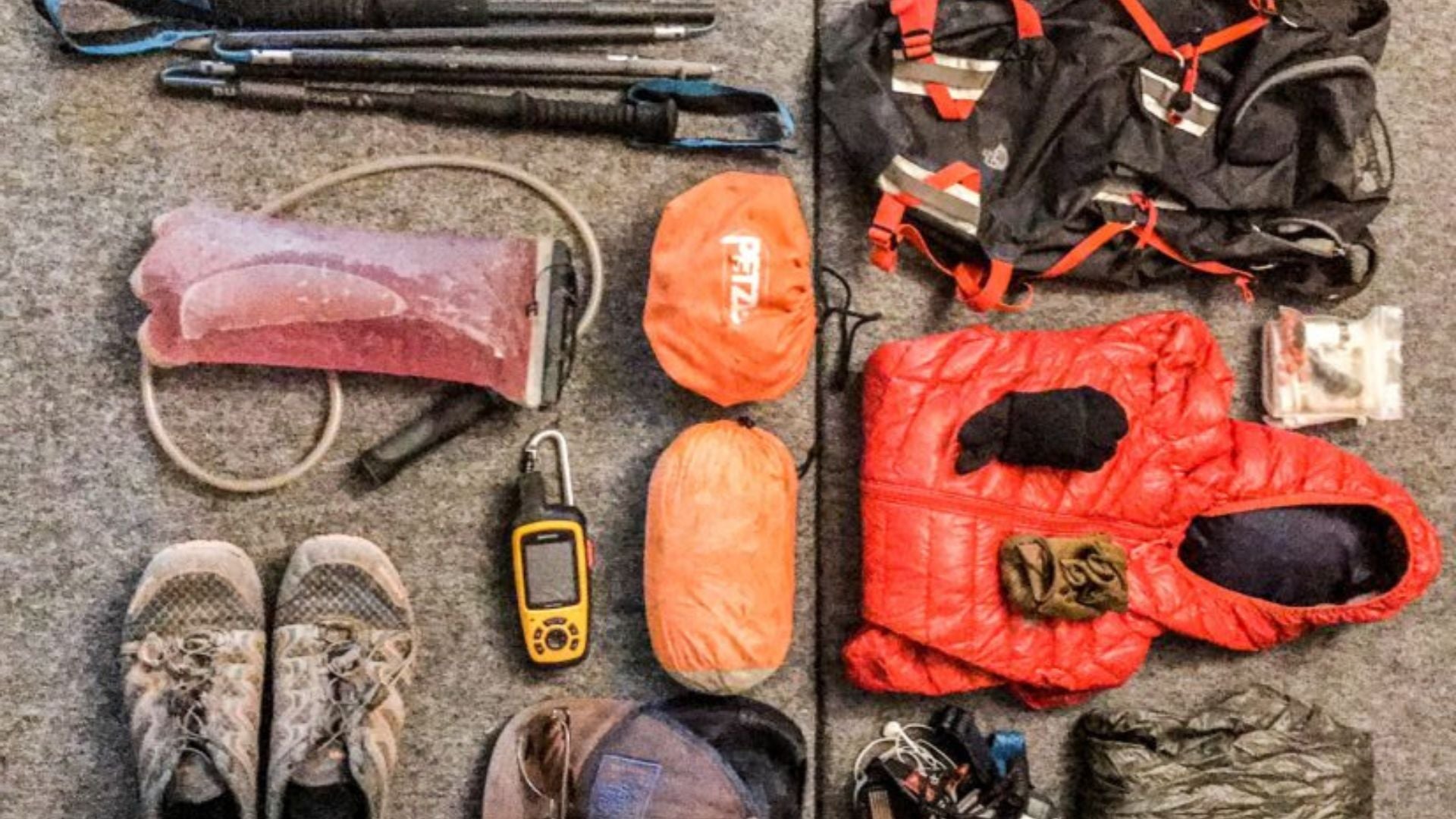

It’s summertime! That means it is time to get outside and explore your state and national parks, recreation areas, and favorite campgrounds. Before you pack up the kids into the SUV, be sure to review this list of outdoor first aid tips from wilderness safety expert Buck Tilton, who this month joins AMK as a regular blogger. Welcome aboard Buck!
AMK's Newest Expert Blogger Buck Tilton
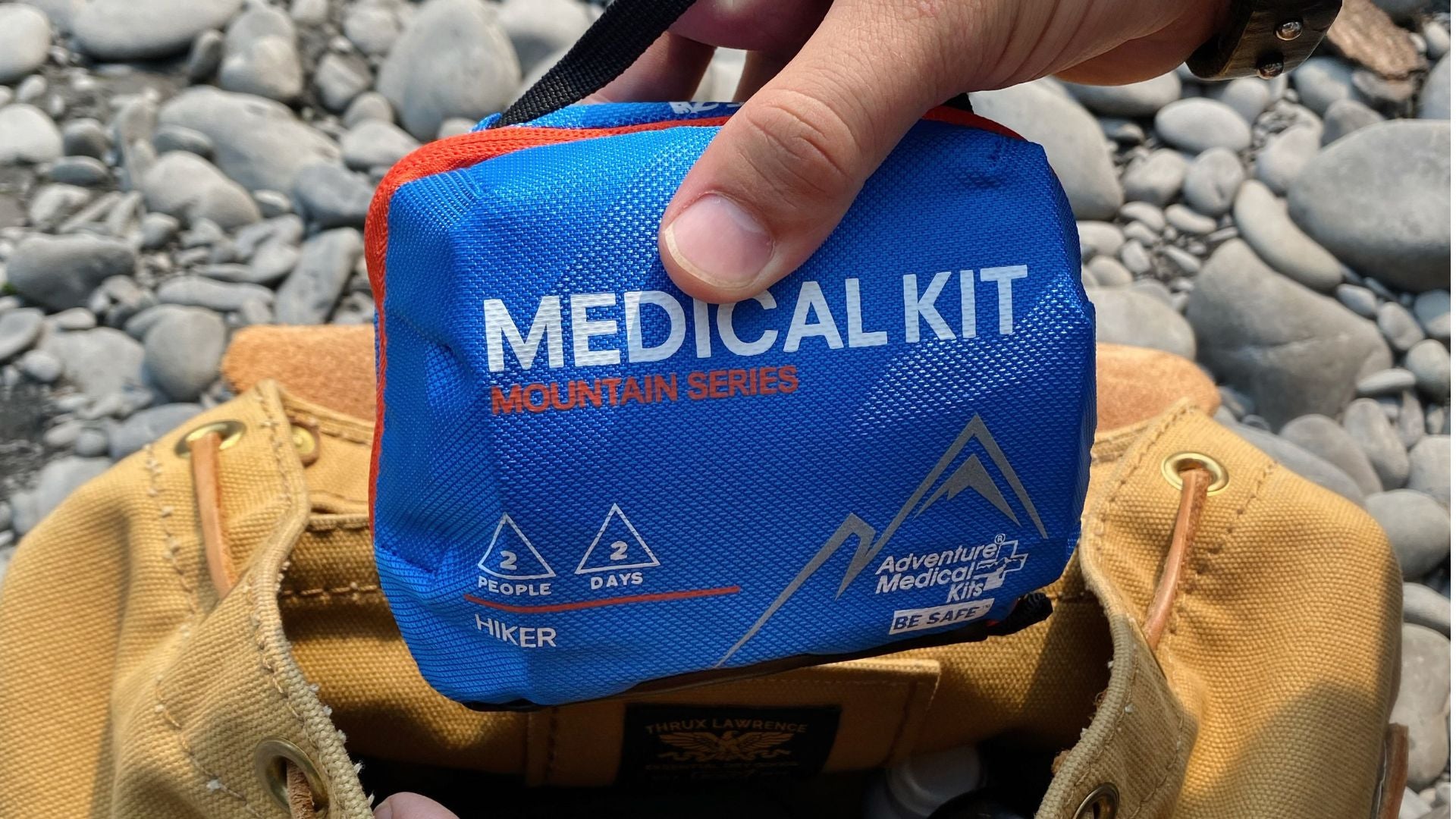
When you pack for a camping trip, a first-aid kit is a mandatory item. Heck, it has been on the list of Ten Essentials ever since the invention of lists. If your gear includes the Adventure Medical Kits’ Day Tripper with the Easy Care First Aid System, you can handle the most common problems—even without advanced first aid training.
Day Tripper features the Easy Care First Aid System
Cuts and scrapes send you looking for the kit most often. Three goals are worthy of consideration:
1. Stop Serious Bleeding
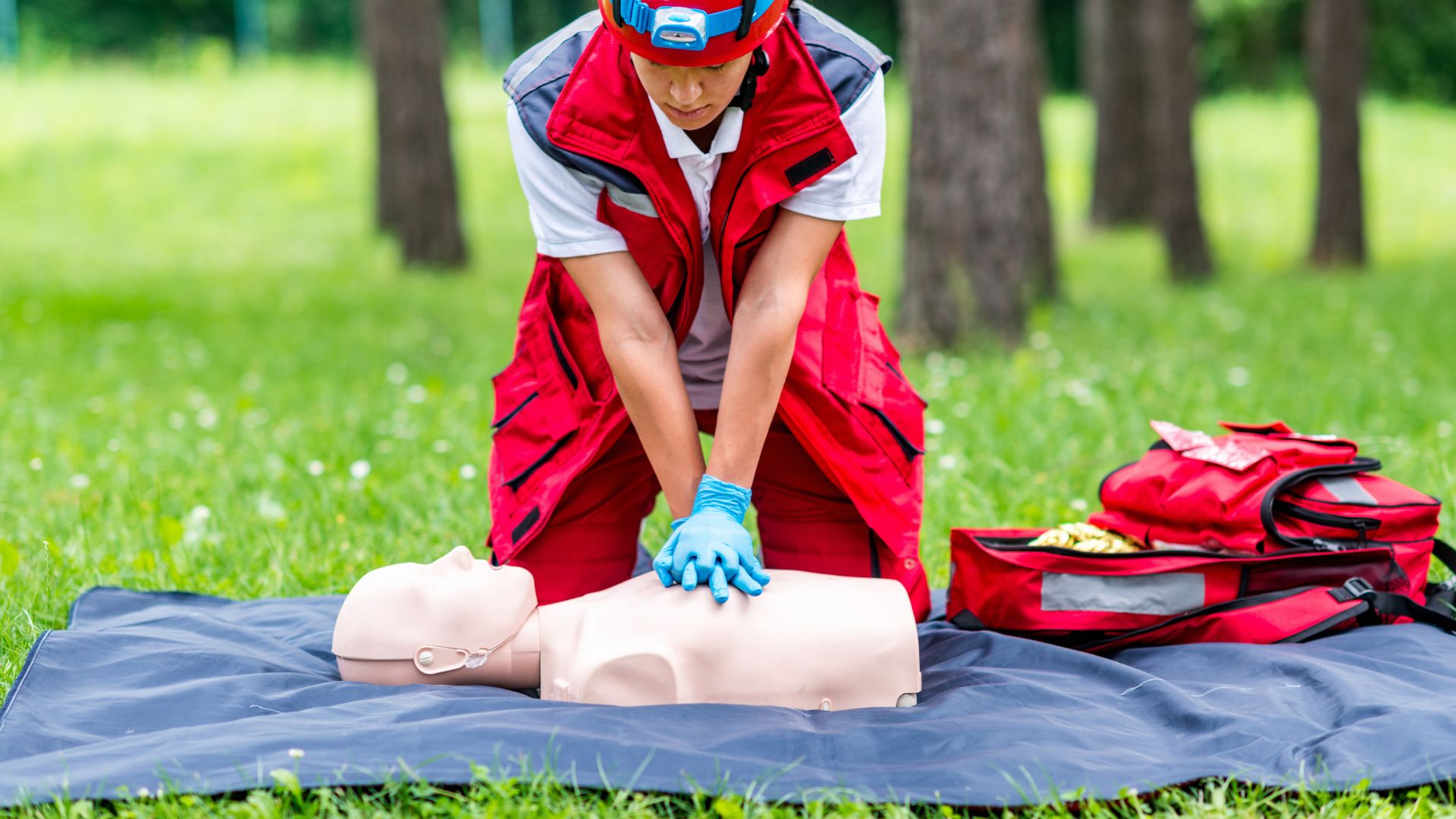
Almost all bleeding can be stopped with direct pressure: pressure from your hand directly on the wound (preferably with gloves on). Adding a product such as QuikClot to your medical kit will put you in control of more nasty bleeds. You can allow small wounds to bleed to a stop, a process that may help clean them a bit.
2. Prevent Infection
Cleaning Wounds
Proper wound cleaning and dressing will prevent infection in most wounds. Cleaning also speeds healing and reduces scarring. The best method for cleaning is mechanical irrigation delivered from a high-pressure, irrigation syringe with 18 gauge plastic tip. The best cleaning solution is disinfected water—water that’s safe to drink. Draw the solution into the syringe, hold it about two inches above the wound and perpendicular to the wound, and push down forcefully on the plunger. Use at least half a liter, more if the wound still looks unclean. Without an irrigation syringe, you can improvise by using a biking water bottle, forcing water from a hydration bladder, or punching a pinhole in a clean plastic bag full of water. Embedded pieces of gravel and dirt will need to be scrubbed clean from the skin to further reduce the chance of infection.
3. Promote Healing
Dressing Wounds
Wounds heal faster with less scarring if they are kept slightly moist with an antibiotic ointment. Then use a dressing to completely cover the wound and ideally extend a half-inch or so beyond the wound’s edge. The bandage will fix, protect, and further assist the dressing. It can be conforming gauze, tape, elastic wraps, clean cotton strips, or improvised out of anything available. For very small wounds, the dressing and the bandage are available as a unit, often called a Band-Aid, found in all first-aid kits.
Treating Sprains
First aid for a sprain, another common injury, is RICE: Rest, Ice, Compression, and Elevation. Do not use the injury (Rest) for about 30 minutes while you reduce its temperature (Ice) as much as possible without freezing. Without ice, soak the joint in cold water, or carry chemical cold packs, or wrap the joint in wet cotton and let evaporation cool the damaged area. Compression requires an elastic wrap. Wrap it toward the heart and snug but not tight enough to cut off healthy circulation. Elevation refers to keeping the injury a few inches higher than the heart of the injured person. Taking an anti-inflammatory medication such as ibuprofen (200mg - follow directions on package) will help to reduce both pain and inflammation. After 20 to 30 minutes of RICE, remove the treatment and let the joint warm naturally for 10 to 15 minutes before use. If it hurts a lot, don’t use it—and find a doctor.
Treating & Preventing Stomach Ailments
Diarrhea is the most common illness disturbing a family camping trip. You can greatly reduce your chances of contracting diarrhea, if you always wash your hands before eating and make sure the cook crew prepares food with freshly cleaned hands. If soap and water aren’t available, keep alcohol-free Adventure® Hand Sanitizer nearby; it kills 99.9% of bacteria, but won’t dry out the skin like alcohol-based sanitizers do. There are many causes, but with all causes, dehydration is the immediate problem. Mild diarrhea can be treated with water or diluted fruit juices or sports drinks. Persistent diarrhea requires more aggressive replacement of electrolytes lost in the stool, and Oral Rehydration Saltsprovide the best treatment. Rice, grains, bananas, potatoes are okay to eat. Fats, dairy products, caffeine, and alcohol should be avoided. Anti-diarrheal drugs should be considered. If the diarrhea is not under control in about 24 hours, head for your physician.
Wash your hands before cooking and eating
Preventing & Treating Insect Bites & Stings
The little biters–mosquitoes, black flies, gnats, even ticks—tend to be the most bother but are the least serious camping problem. Pack to prevent the bites with a DEET-based product such as Ben’s® or go DEET free with Natrapel® 8 hour, containing a 20% Picaridin formula. After a bite, there’s, well, AfterBite, America’s favorite.
Buck Tilton is a wilderness medicine and survival expert and author, who has written 36 books on outdoor safety. Over the past 20 years, he has contributed hundreds of articles and a regular column to Backpacker. Tilton also co-founded the Wilderness Medicine Institute, now WMI of NOLS, which is the largest school of wilderness medicine in the world. This month he joins AMK as a regular blogger.
Here are answers to a couple questions that have come in through the AMK website over the past week.
Q: I do SAR and have to carry for myself and a subject. Your 2.0 Bivvy sac is small and light, but for another $25 to $50 and maybe 16 oz more I could get a 40 degree “rated” bag. I would always carry at least your 2.0 Bivvy but am considering a lightweight down bag for those cold nights. If your Bivvy was “rated” at 40 – 45 degrees, it would be a no brainier to always carry two of your bags. Have you done any testing to get a temperature rating on your 2.0 Bivvy?
A: Because adventure racers are often required to carry a 50-degree sleeping bag, we did some testing and found that the S.O.L. Thermal Bivvy (the same one you’re referring to, but with a new name) will work as a primary sleep system down to 50 degrees, as long as you are wearing some light insulating clothing (such as thermal base layers). You can also use it in conjunction with a sleeping bag to add 10-15 degrees of warmth to the bag.
Q: Which first aid kit would you recommend for a 10 day backcountry hunt. So, size and weight are a concern. I will not have a basecamp and I plan on getting the SOL3 kit.
A: If you’re already going to have survival tools and some medical supplies in your S.O.L. 3 kit, I recommend augmenting them with an Ultralight/Watertight .9 kit. Without a base camp, you need something that can treat a wide range of injuries but won’t weigh you down too much, and the UL / WT .9 fits that bill exactly. With a trauma pad and plenty of gauze, it can stop traumatic bleeding from a hunting accident, and there are also supplies to clean and close large wounds, including an irrigation syringe and wound closure strips.
I really love the products you present. There are many to choose from regarding first aid. That is my problem. I am a hunter and fisherman in the state of Alabama and have never strayed from this state in for my hobbies. I know Alabama is not Africa in terms of large carnivores, but I have had some scraps with a wild hog (hawg, in Alabama), and once was pinned by several coyotes. The hog I killed bare handed, not unscathed mind you, and the coyotes I fought off with a homemade spear i fashioned out of my hunting knife and a long branch while in a pine tree. That stuff was funny then after it was over, but now that I am a father I am thinking differently.
I would like your recommendations for my needs on a medical/survival kit. What I want is three kits. One for each of my two vehicles and one major pack for my home that can be grabbed in case of an emergency like a tornado, etc. I have looked at all your products, but I am still at a loss as to which one would outfit me the best. The most diverse a group with me would be is 3 male adults, two female adults, one male child, and 2 female children. Any advice would be greatly appreciated.
Jeremy Smith
Answer:
Dear Jeremy,
Many of us only dream of the adventures you have. Maybe nightmare would be a better word for some of us.
I recommend the Sportsman Hunter or Outfitter Medical Kit for your two vehicles. Both of those kits have a detachable inner bag (kit) you can take with you in the field while leaving the larger kit in the truck. I would add the QuikClot 25gram Sport to each of those kits. This is a blood stopping dressing that works fast. I imagine a hawg or pack of coyotes could take quite a chunk out of your leg.
It sounds like you would be a great candidate for the PocketSurvival Pak. Keep this on you at all times. You could work your way out of any jam with it.
For your home I would recommend the Mountain Series Fundamentals or the Sportsman Outfitter kit. All of the kits I have recommended are ideal for either remote areas or when you are cut off from medical care by a natural disaster.
Please keep us posted on any exciting new adventures.
Question:
I’m back packing through Asia for 6 weeks and would like to know what you would recommend for a first aid kit in case of an emergency. Thanks, Dan R.
Answer:
Dan,
For 6 weeks in Asia, I highly recommend our World Travel kit plus a Suture/Syringe Medic. The World Travel kit is designed for trips like yours, with comprehensive wound-care supplies and a large suite of medications for pain, flu, and stomach maladies.
The World Travel also contains our Comprehensive Guide to Wilderness and Travel Medicineby Eric A. Weiss, M.D. The guide includes information on wilderness and travel medicine including: “Weiss Advice” improvised techniques; “When to Worry” tips; 97 illustrations; recommended prescription medications to pack; medical supplies for extended expeditions; and information on how to use the components of your Adventure Medical Kit.
The Suture/Syringe Medic contains sterile supplies to administer IV drugs or injections in case the medical clinic in the area you’re traveling doesn’t have sterile needles or sutures. Since it is still a common practice in many developing countries to re-use supplies, it is important to carry a sterile set that you can give to the medical provider that is treating you.
Be sure to read our blog to learn more about avoiding the most common ailment that travelers face.
Thanks for your interest, and let us know if you have any further questions.
Frank Meyer, Marketing Director and Co-Founder
Question:
FAKs rated by people/days (2-3 people, 5-7 days) frustrate me. I think a more useful measure might be people/”time to help”. I bought the Field Trauma kit because I was looking for a kit to use where assistance was 1-2 hours away, I want the kit to answer “What will kill the victim in 1-2 hours?” – Bleeding, not breathing. If a 1″x3″ bandage will stop it, you won’t die today from it. We’re within 2-6 hours of aid, so what do I need to keep a victim alive till we get help?
Answer:
Fred,
Thanks for sharing your frustrations with the Group Size, Trip Duration Rating. Let me share a story with you. Back in 1989 when we launched Adventure Medical Kits, our only kit we sold was the $190 Comprehensive Kit in our current Mountain Series. This was much more comprehensive than anything on the market at the time. An editor from Outside Magazine was reviewing the kit and he asked me what I would take out of the kit to make it lighter and smaller. And I asked him what injury or illness does he not want to be prepared for?. How about taking out Glutose Paste for Insulin Shock or the oral rehydration salts for dehydration? How about taking out the Sawyer Extractor Snake Bite Kit?
A few years later, Dr. Weiss wrote the book, A Comprehensive Guide to Wilderness & Travel Medicine, to help people treat injuries and illnesses when medical care will not arrive. He included “Weiss Advice” improvisational techniques in the book so you can improvise when you don’t have the medical supplies you need. For example, page seven has a tip on how to improvise a CPR barrier using a nitrile glove. The section on treating insulin shock suggests using Glutose Paste but if you don’t have it use sugar granules under the tongue will work. The section on rehydration goes over treating dehydration with oral rehydration salts or an improvised solution using fruit juice, honey and salt. Dr. Weiss’s book is your guide to keeping someone alive until help arrives whether it is two hours or two days away.
Back to the question on classifying kits. We are working on a more sophisticated set of metrics to help people choose the right medical kit for their adventure. While group size and trip duration will be one of the metrics, others like risk factor, hours away from medical care and level of first aid training will come into play as well. Your question is timely and will help spur us on in the development of these new metrics.
Question:
I want to build a first aid kit for our Drop Zone and would like your recommendations on contents for skydiving related incidents. I know all the basic items but would like your thoughts on splints and slings etc.While small cuts and sprained ankles etc are what we see most, we should be prepared for more serious incidents to include broken bones, puncture wounds (in the event of a tree landing)etc. If you could email me a list I would greatly appreciate it.
Which kit would you recommend to keep around the house or in the car?
Thanks, Chris
Answer:
I have carried the Mountain Series Comprehensive Kit in my car for the past 20 years. It is my favorite kit and with the detachable inner bag inside you have a kit for day trips as well.Of course, any of the Mountain series kits would work well for the car or home. The Comprehensive has always been my favorite and it was the first kit Adventure Medical Kits launched in 1989.
Here’s a basic question… I’m getting back into backpacking after a good decade off. I am a 42 year old male and I will initially be taking 2-3 night trips in relatively remote locations . Some solo, but factor having up to 2 additional companions. Based on this info, can you offer some advice on which first aid kit would be the best combination of preparedness and size for this activity?
Answer:
Thanks for your question. I recommend the Ultralight/Watertight .7 or .9 for your 2-3 day backpack trips. If your first aid skills are a little rusty I would also recommend adding our book, A Comprehensive Guide to Wilderness & Travel Medicine. This book has a ton of useful advice, including, When to Worry, Weiss Advice Improvisational Tips and over 100 illustrations.
I am 73 and solo sail.I have sailed from Oakland, CA to Mexico, to Hawaii, and am now heading out into the south pacific.I am not sure what medical kit to order.
Thanks, Susan M.
Dr. Jacob’s Answer:
I commend you for solo sailing at your young and vigorous age of 73- Probably the most important element in maintaining your health at sea is a good physical exam, female exam, blood work, possibly an exercise stress test,and a review with your physician of any possible medical problems that might arise during your trip. You need to review your medical history in detail.
For a solo sailor on an extended trip, the Marine 1000 would be ideal, supplemented with medications (antibiotics etc) necessary for a prolonged cruise.
You may want to read a paper I wrote on marine medical kits (view in browser or download Word Document), which might be helpful in expanding your basic supplies.